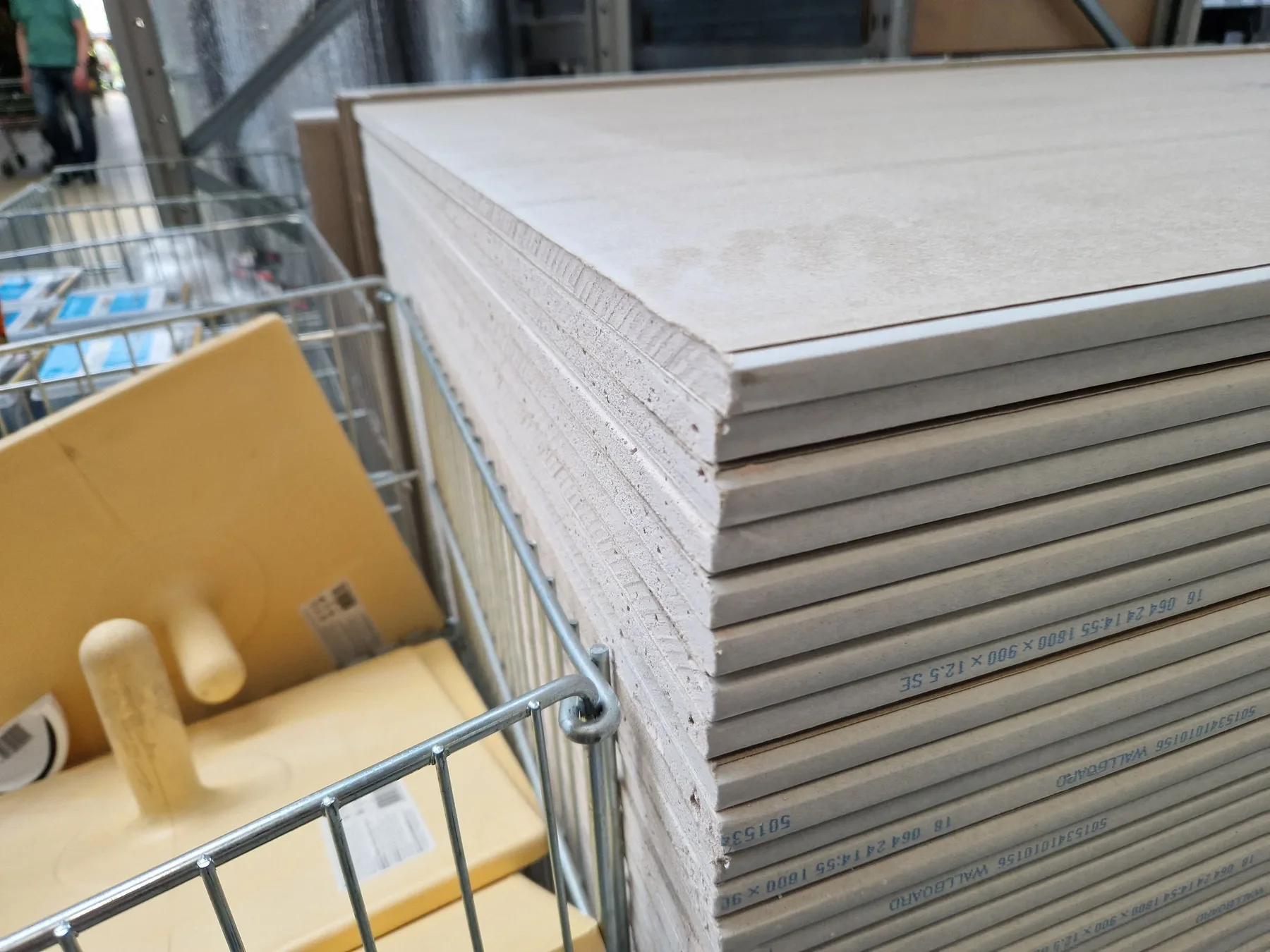
When to give a contractor better pricing, and what to ask for in return
How building materials reps decide on a contractor's price level: check what the account buys, name the business you want in return, and review the results.

Time each sales call to when a builder decides that package. Use permit dates, past orders and inspection records to plan framing, window, drywall and trim calls.

Call about each material package shortly before the builder decides it, not when it shows up on the jobsite. On a typical new home, the framing package is usually decided around the time the permit is issued. Windows and exterior doors are chosen before framing is finished, and often earlier when the product has a long lead time. Insulation and drywall come up once framing and the rough-in trades are under way. Interior doors and trim follow around drywall. To time each call, combine three things you can check: the permit date, the builder's own order history on past jobs, and the inspection results your local building department publishes. Then set a separate follow-up for each package you sell instead of one call per job.
A permit is the start of a long buying season, not one buying decision. According to NAHB's analysis of Census Bureau data, a new single-family home completed in 2025 took an average of 8.8 months: 1.4 months from permit to start and 7.4 months from start to completion. Homes built for sale averaged 7.4 months from permit to completion, while custom homes built by hired contractors averaged 11.7 months. Regional averages ranged from 7.6 months in the South Atlantic division to 13.5 months in New England. The Census Bureau's length-of-time tables explain how those intervals are measured.
Over those months, the builder or its trade contractors buy framing material, windows and doors, roofing and siding, insulation, drywall, and interior doors and trim, each at a different point. A rep who calls once when the permit appears may catch the lumber decision and miss everything after it. A rep who first calls when the walls are up has already missed the windows.
The buyer can change by package too. The builder may order the framing package and windows, while the drywall or insulation contractor buys board and insulation for its own scope. Timing the call is only useful if you are calling the person who makes that decision.
Building inspections happen in a set order, and each one tells you which decisions are probably already made and which are still open. The order varies by jurisdiction, but the logic is similar.
The City of Raleigh asks builders to request the framing inspection only after the rough electrical, mechanical and plumbing inspections are approved, the framing is complete, the windows and doors are set and the roof is covered. The insulation inspection comes before any wall or ceiling coverings go on. Santa Cruz County describes a similar path: rough frame once the building is water-tight, including windows and doors, then insulation, then a drywall inspection after insulation is signed off. College Station, Texas lists at least 12 required inspections in its own order, starting with a plumbing rough-in before the foundation inspection, so check the sequence where you sell.
Many departments let anyone look up a permit's inspection history. Salt Lake City shows completed inspections by permit number or address, and Jacksonville Beach, Florida lets the public view inspection results without creating an account. Not every jurisdiction publishes results, and some post them with a delay, so treat them as one signal among several.
Here is how the stages line up with the packages a supplier sells. Treat it as a typical pattern for new single-family work, not a rule.
| Package | Usually decided | Signal that the decision is close | Who often buys (confirm) |
|---|---|---|---|
| Framing lumber, sheathing, trusses | Around permit issue and before the start | New permit; foundation inspection scheduled | Builder or framer |
| Windows and exterior doors | Before framing is finished; earlier for long lead times | Plans final; foundation complete | Builder |
| Roofing, siding, housewrap | During framing | Framing under way | Builder or installer |
| Insulation | After rough-ins, before the insulation inspection | Rough-in inspections passed | Insulation contractor or builder |
| Drywall | Before insulation is signed off | Framing and rough-ins approved | Drywall contractor or builder |
| Interior doors, trim, millwork | Around drywall | Insulation or drywall inspection passed | Builder or trim carpenter |
Lead time pushes some decisions earlier. One dealer, Cofer Brothers, publishes typical ranges of 2 to 6 weeks for stock windows and 4 to 16 weeks for custom windows and doors, compared with a few days to a week for stock interior doors. A window dealer selling custom units has to be in the conversation weeks before the openings are framed. Your own suppliers' current lead times are the numbers that matter.
National averages describe the market. Your ERP describes how each builder actually buys from you, and that is usually the better guide.
For a builder you already supply, look at two or three recent jobs, job by job:
The gaps between those dates give you a builder-specific timeline. As a hypothetical example, if a builder's trim orders on the last three jobs came roughly two months after the lumber delivery, the trim call on the next job belongs a few weeks before that point. If a production builder keeps a steady pace, the pattern will hold well. A custom builder with long selection periods will vary more, so ask.
Your own deliveries are also a stage signal. If your yard delivered the framing package to an address last week, the window decision is probably made or nearly made, and drywall, insulation and trim are still ahead. The categories that never came to you on past jobs are the ones to raise on this one, at the right moment. Our guide to winning jobs your builders buy elsewhere covers how to find those gaps and ask about them.
For a prospect with no history, you have only the permit and the inspection record. Start with the next open package and ask the builder for the schedule.
Turn the timing into dated follow-ups that someone owns.
What this looks like by segment:
Some calls will land after the decision. Treat each one as information. Ask who supplied the package and how the decision was made, then record it with the job. If a builder decides windows earlier than you expected, move the window call earlier on that builder's next job. Then ask what the builder has permitted next, since the next job is already on its way.
A short monthly review keeps the plan honest. A sales manager and each rep can look at the packages that closed in the past month and ask:
Adjust by builder and by package. Over time, the timeline for each regular builder should come from your records and their answers, not from national averages.
SalesJack's CRM brings in permit leads through connections such as Construction Monitor, lets your team filter them by the project types and regions you serve, and uses AI to match leads to existing customers and addresses and route them to the assigned rep. Reps keep customer and jobsite information with each opportunity and use assignments and reminders to plan follow-up. In Radar, a rep can ask questions such as "What has this builder purchased across its jobsites?" or "Which of my customers have active permits but no recent orders?" and get answers drawn from connected ERP, quote, permit and CRM data. Inspection results still come from your local building department. If you want to see how this would work with your own data, you can book a demo.
The Census figures are national averages for single-family homes and vary by region, home size and builder type. Inspection names, order and public access differ by jurisdiction. Lead times change with products and manufacturers, and the Cofer Brothers ranges describe one dealer's experience. Who buys each package varies by builder and market, so confirm it on every job. Larger projects follow longer and different timelines; our article on finding active construction projects covers earlier lead sources.
How building materials reps decide on a contractor's price level: check what the account buys, name the business you want in return, and review the results.
Choose which dealers get a showroom display, tie each one to a dealer sales plan and check whether it turns into quotes and orders. A guide for manufacturer reps.

A practical guide for lumber yards and dealers: which association members to pursue, who should attend, and how to turn meetings into quotes.