
How building materials dealers can turn home builders association membership into builder sales
A practical guide for lumber yards and dealers: which association members to pursue, who should attend, and how to turn meetings into quotes.

Choose which dealers get a showroom display, tie each one to a dealer sales plan and check whether it turns into quotes and orders. A guide for manufacturer reps.
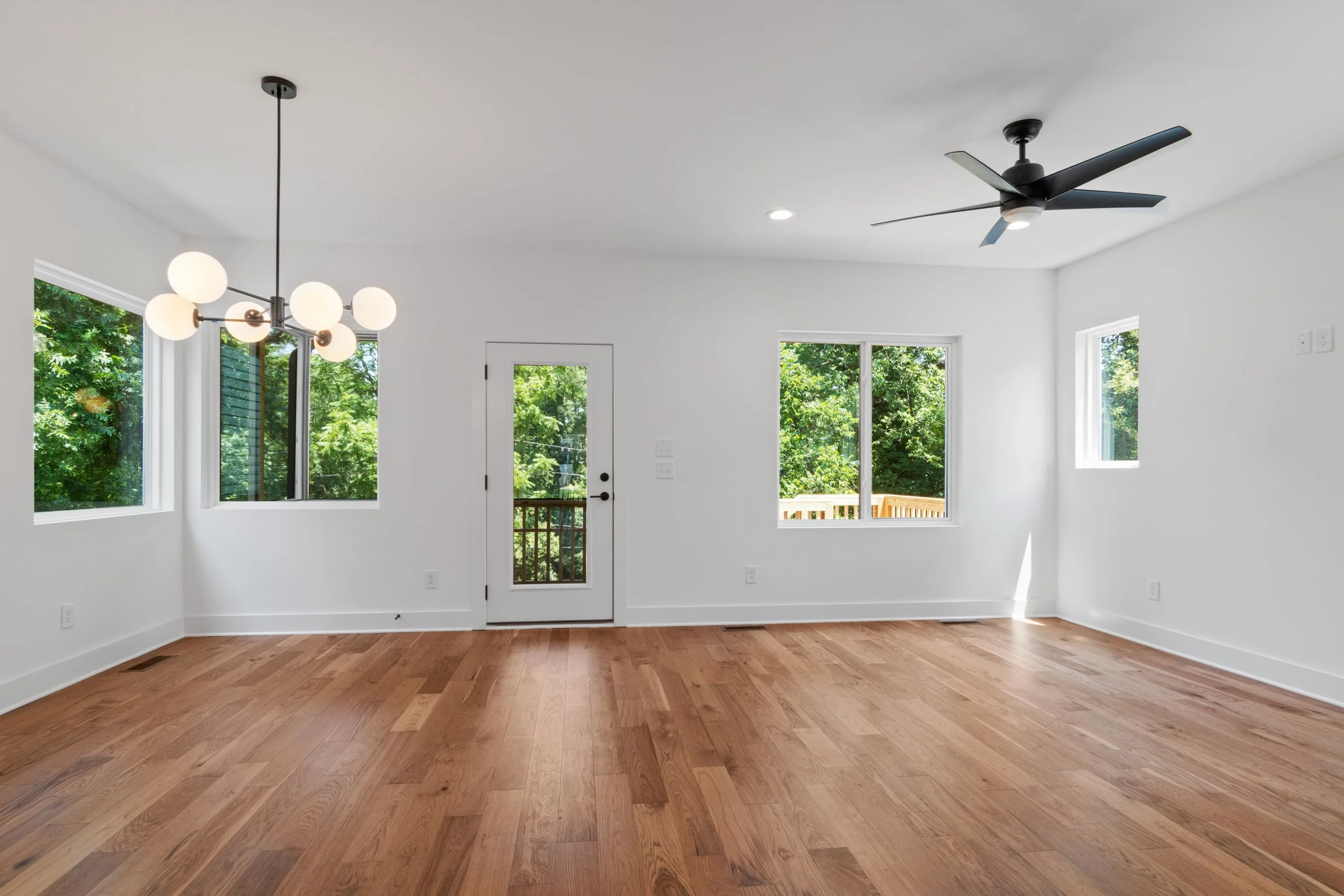
A showroom display is a sales investment in one dealer. Give displays to the dealers whose salespeople will use them to quote your products to customers who actually visit that showroom, and agree before anything ships how you and the dealer will know it is working. Judge each display by the quotes and orders it produces for the lines on show, not by how good the floor looks.
This guide is for territory managers and channel sales reps at window, door, millwork, cabinet and decking manufacturers who sell through dealers. It covers choosing which dealers get a display, the plan that should come with one, and the review that decides whether it stays.
Manufacturers rarely hand out displays with no conditions. The terms they publish show what they expect a display to do.
These are individual programs, not industry rules. They share a pattern, though. The display comes paired with training, lead follow-up and a sales expectation. Every display uses budget and a piece of the dealer's floor, so the real question for a rep is which dealer will turn that space into orders.
Your own sales history is the first filter. For each candidate dealer, look at:
Be clear about what this shows. Your records show what the dealer bought from you, not what it sold to builders and homeowners. Our guide to manufacturer dealer sales with ERP and CRM data explains how to read sell-in history without treating it as sell-through.
A display only sells to people who walk past it. Before you commit, find out who uses the showroom and how.
Ask about the customer mix. Simpson's dealer form asks for approximate door sales split between contractors and builders and consumers. That is a useful question for any line. A dealer whose builders bring homeowners in to make selections is a different prospect from a counter that mostly serves framers. Loranger Door & Window told LBM Journal that builders reserve its conference room to review plans with clients and are encouraged to walk them through the showroom, and that it hosts architect open houses.
Check quote activity for the line. If your company prices or confirms quotes for dealers, look at how many quotes the dealer has sent you for the line and related lines, how many are still open and how many became orders. A dealer already quoting your patio doors from a catalog is showing you demand. A dealer that has never quoted them is asking you to create it.
Look at the leads you send. If your company routes website or showroom inquiries to dealers, check what happened to the last few this dealer received. Simpson's program makes lead follow-up a condition for good reason. A dealer that lets leads sit is unlikely to work a display harder.
Use market activity as context. Construction permit activity in the dealer's area by project type can show whether there is enough remodeling or new home work nearby to support the line. Treat it as context for the conversation, not proof the dealer will sell your product.
With that information, put each dealer in one of three groups.
Place now. The dealer buys related lines from you and they are growing, its salespeople already quote the line you would display, its showroom draws the customers who choose that product, and the owner or showroom manager will agree to the plan below.
Earn it first. The dealer is interested but has little quoting history for the line. Start with samples, training and joint calls on a specific job. Revisit the display once quotes start coming in.
Not now. The dealer sells mainly to builders who never visit the showroom, it already displays a competing line and will not commit floor space or sales attention to yours, or nobody on its team will own the line. Check your own program terms here. Fleetwood, for example, allows competing products only for non-displaying dealers, and only if they are promoted equally.
The largest account is not automatically a place-now dealer. Volume in other lines tells you the relationship is strong, not that the display will be used.
Write down what both sides will do, using only the credits, pricing and terms your company has approved. A useful plan covers:
Agreeing on the review before installation makes the later conversation about facts both sides accepted, rather than a surprise.
A new display gives the dealer's salespeople a reason to call customers. Help them use it.
At the agreed date, sit down with the dealer and compare what happened with what you both expected:
Dealers do report results from better displays. Kight Home Center in Indiana told Pro Remodeler in 2014 that switching to complete door unit displays brought an increase in sales of its higher-end entry doors. That is one dealer's account in an article built from interviews the manufacturer shared, so use your own numbers to decide.
Then make one of three calls. Keep a display that is producing quotes, and look for the next line to add. Refresh one that is in the right showroom but showing the wrong products. Dealers expect updates. Loranger listed design inspiration, co-op support and new product representation as what it wants from manufacturer partners. Move a display that is not producing quotes and has no realistic plan to, following your program terms, and offer the dealer the earn-it-first path instead.
The following example is illustrative, not a real company.
A patio door manufacturer's territory manager has budget for two new displays this year and three dealers asking for one.
Dealer A gets a display with a written plan: two salespeople trained before delivery, four named builders invited to the introduction and a review in six months. Dealer B gets samples and joint calls with its builder customers instead of floor space. Dealer C gets training and samples, with a display to be reconsidered once its quotes show demand. The second display waits for a dealer that qualifies, rather than going to the loudest request.
SalesJack's sales platform for building materials manufacturers keeps dealer contacts, account opportunities and project quotes in one CRM, with assigned tasks and email or text follow-up. It works with the sales data your team already has and does not pull data from your dealers' systems. Permit data filtered by project type and region gives reps market context for dealer conversations, and AI chat answers plain-English questions about your connected data. If you want to see how that would support your display decisions, you can book a demo.
A practical guide for lumber yards and dealers: which association members to pursue, who should attend, and how to turn meetings into quotes.

When a sales rep leaves for a competitor, sort their accounts by open work and risk, call about real jobs, protect open quotes and check purchases weekly.

When a builder customer is acquired, find what is exposed, learn who decides purchasing now, requote new plans and win the new owner's local communities.