
How building materials dealers can learn from lost quotes
Use ERP quote and order records with buyer feedback to understand lost material sales and improve the next bid, without assuming every loss was price.

Use account history and buyer conversations to decide which millwork requests need a full estimate now, more qualification or an honest decline.

Before asking an estimator to price a millwork package, establish what buying decision the quote will support. Review the account's purchases and related quotes, then ask the customer who is choosing the supplier, what remains undecided and when they expect to buy. Use those answers to decide whether to request a full estimate now, clarify the opportunity first or decline work that does not fit.
For a millwork or custom trim supplier, the sales opportunity is the package the customer may buy. An incoming request is evidence of interest, but it does not tell the rep how close that purchase is. A builder comparing suppliers for an awarded job needs a different response from a designer exploring an early concept.
Connected ERP and CRM information helps make that distinction. Purchase history shows the business you already have. Quote records show what your team has considered. Customer conversations explain whether this particular request has a path to an order.
Start with the customer and job, rather than the size of the requested quote. Check whether the builder already buys trim or doors from your company and whether this project has another request underway. An email to a second salesperson may concern the same package, not a new opportunity.
Look at previous quotes alongside confirmed orders where those records are available. Several quote revisions may belong to one decision. An apparent loss may have become an order under another reference. Resolve those distinctions before describing the customer as someone who asks for prices but never buys.
The history should improve the next question. If the account buys trim but has never bought doors, ask what prompted the door inquiry. If earlier proposals stopped at a selection decision, ask whether that decision has been made on this job. Do not turn a pattern into a judgment about the buyer's intentions.
A new account will have less history. That is a reason to learn more, not an automatic reason to refuse the estimate. Use the customer's confirmed project and buying process to assess the request rather than favoring only accounts with large past purchases.
SalesJack's millwork sales workflow brings quotes, category spend and builder conversations into the sales team's view. Confirm which records your connection provides and check the source when a relevant order or quote is missing.
Ask what decision the customer expects the price to enable. Are they establishing whether a design fits the budget? Preparing their own construction bid? Or choosing a supplier for a package they are ready to purchase?
All can be legitimate opportunities. They do not necessarily need the same level of estimating work at the same moment.
A useful question is, "Once you have this price, what happens next before you can place the order?" Follow the answer. A builder may need a homeowner's selection, a designer's review or an award decision before choosing the supplier. Identify the next decision and who controls it, rather than treating the person forwarding plans as the only buyer.
Eagle Woodworking's cabinet-job qualification guide recommends understanding budget expectations, timing and decision-makers before investing in a detailed estimate. Its examples concern cabinet shops. The relevant lesson for a millwork rep is to establish buying readiness before committing the team, not to borrow cabinet specifications or assume the same production process.
If the customer needs early budget help, ask your estimator or sales manager what your shop can responsibly provide. Describe that output accurately. Do not promise a final quote when the team has only agreed to a preliminary discussion.
A folder can contain current drawings and still leave the sales opportunity unclear. The rep needs to know whether the proposed package fits what the customer intends to buy.
Ask about budget expectations without demanding a competitor's price. If the buyer expects a stock-product price for a custom package, explain the difference using your actual offer and involve the appropriate specialist. Find out whether they are willing to consider the kind of work your shop supplies before requesting a detailed proposal.
Separate the date the customer wants a quote from the date they expect to choose a supplier. An urgent request may support an early budget meeting rather than an imminent purchase. Confirm the reason for the deadline and have the estimating team agree what it can deliver. Do not invent a standard turnaround or promise production timing on someone else's behalf.
When the request contains important unknowns, make the next conversation about resolving them. In Woodworking Network, William Sampson discusses millwork proposals with missing information and argues for obtaining answers rather than filling the gaps with guesses. That is trade guidance, not a rule that every incomplete inquiry must be rejected.
The rep's responsibility is to identify the unresolved buying question and reach the person who can answer it. Technical suitability and estimating assumptions still belong with qualified specialists.
After the conversation, make a decision the team can act on. Avoid leaving every request labeled urgent while no one knows whether the customer is ready to proceed.
Request the full estimate when the package fits, the buyer has a credible next decision and the estimating team accepts the required work and timing. Keep the sales reason with the request. The estimator should understand what the customer needs the proposal to accomplish.
Seek clarification when the opportunity could fit but an important answer is missing. Name the question, the person who will obtain the answer and the event that will make estimating worthwhile. A buyer's planned selection meeting is more useful than an arbitrary reminder to try again later.
Decline when the responsible manager confirms that the request does not fit your offer or cannot be supported on the customer's required terms. Explain the actual constraint without calling the customer a time-waster. Do not introduce estimating fees, minimum orders or other restrictions that your company has not approved.
Suggested wording for an unresolved opportunity is, "We can review the package with you. Before we commit to the full estimate, can we confirm who will select the doors and when that decision will be made? That will help us agree what you need from us next."
Once the pursuit is accepted, the material takeoff request guide covers preparing the documents and scope for estimating. Qualification decides whether and when to invest in that work. The takeoff handoff makes the accepted request usable.
Consider two illustrative requests, not customer case studies.
An established builder asks for a detailed custom trim quote. Account history shows previous trim orders, but the current conversation reveals that the homeowner has not chosen between substantially different packages. The rep agrees to clarify the selection with the builder before asking estimating to price every option. The relationship is valuable; the current request still needs a buying decision.
A smaller, newer builder requests a door package. There is little ERP history, but the builder identifies the buyer, confirms that supplier selection is still open and explains when the proposal will be reviewed. The rep verifies fit with the specialist and arranges the estimate. Limited account history does not outweigh clear evidence that there is an order to pursue.
Keep those reasons with the opportunity. SalesJack's CRM connects supported quote and project context with conversations and follow-up. Its Project Management supports jobsite estimate requests, assigned owners and deadlines. Your team makes the qualification decision; these capabilities do not establish an automatic bid score or predict which customer will buy.
At the next sales review, revisit the decisions rather than count how many requests were declined. Did the clarification produce a useful buyer conversation? Did the accepted estimate reach someone ready to choose? Did an order follow, or does another decision remain open?
Keep deferred opportunities distinct from losses. A request waiting for a selection should return to the rep when that selection is made, not disappear because it was removed from the immediate estimating queue.
Use what happened to adjust the questions your team asks. If reps repeatedly learn about an approval requirement after submitting quotes, ask about it earlier. If qualified new accounts produce orders, make sure the team is not excluding them merely because their purchase history is short. The purpose is to pursue better-understood sales opportunities, not to quote less for its own sake.
Header photograph by Anna Shvets / Pexels. Illustrative workshop, not a SalesJack customer location.
Use ERP quote and order records with buyer feedback to understand lost material sales and improve the next bid, without assuming every loss was price.
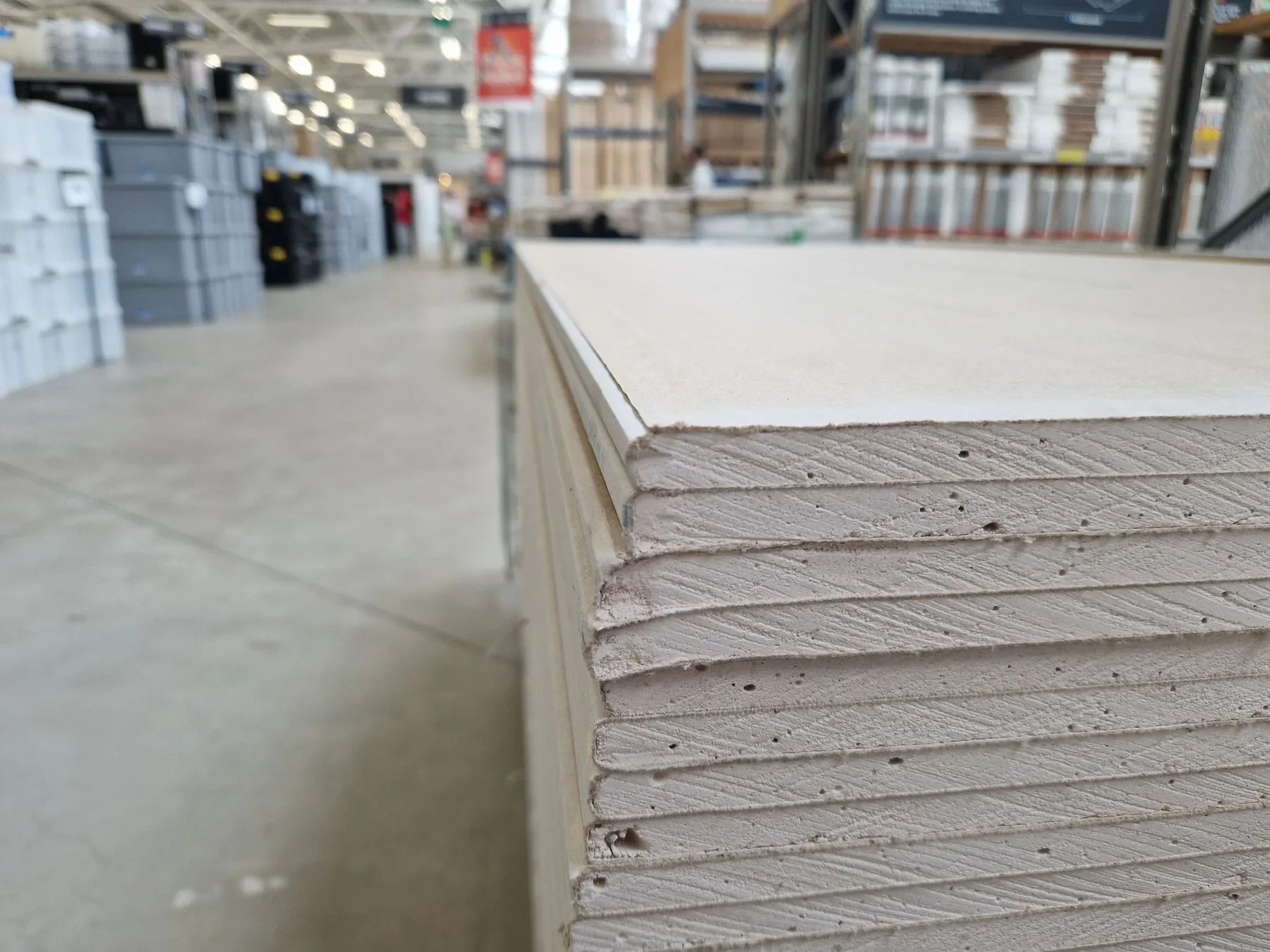
Connect order records, contractor conversations and follow-up when drywall arrives damaged or short. Keep customer promises separate from unapproved remedies.

Compare quote scope, identify the real price objection, and explain confirmed service differences before discussing a lumber quote discount.