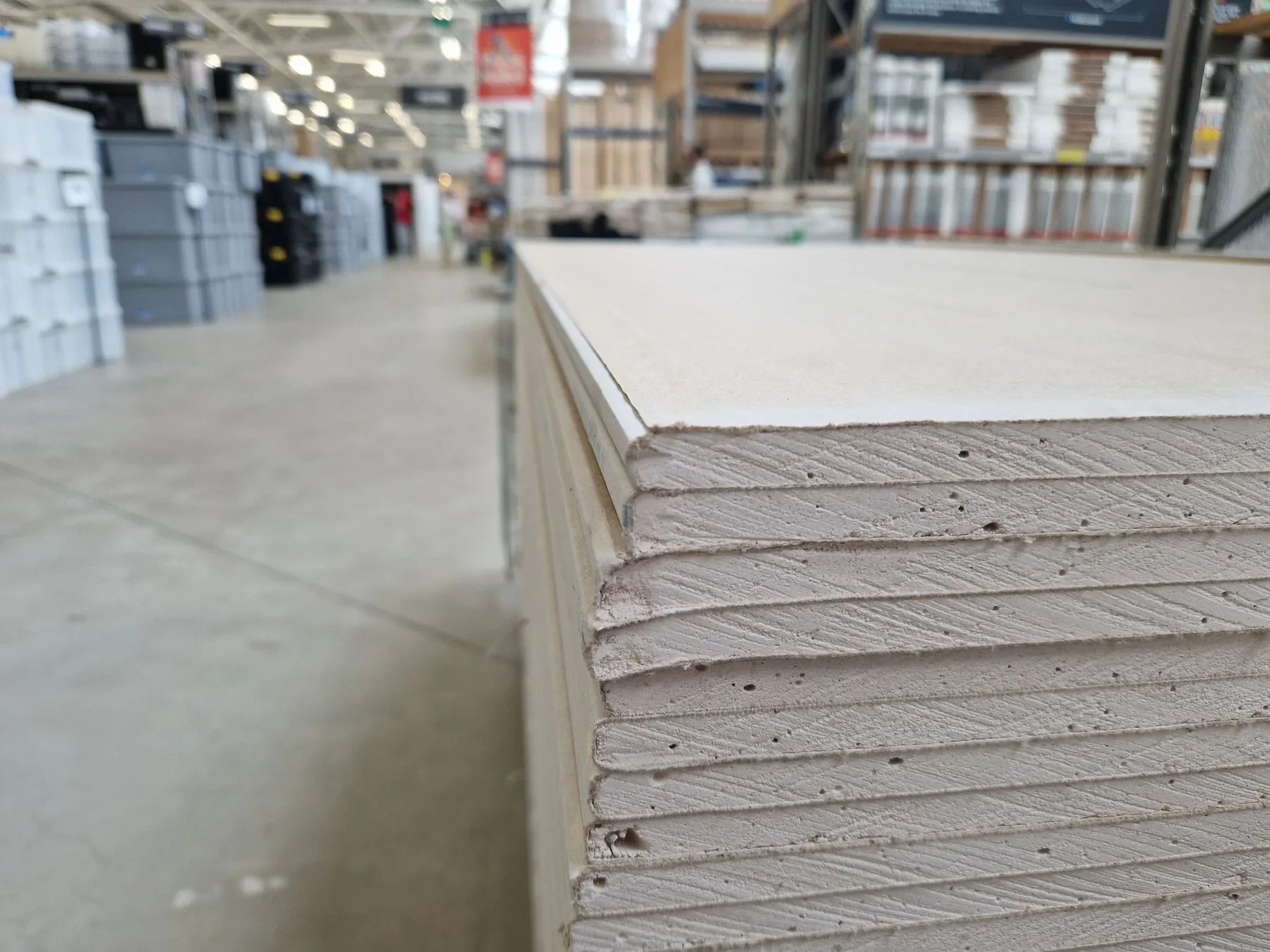
How drywall sales reps can protect contractor accounts after a delivery problem
Connect order records, contractor conversations and follow-up when drywall arrives damaged or short. Keep customer promises separate from unapproved remedies.

Use ERP quote and order records with buyer feedback to understand lost material sales and improve the next bid, without assuming every loss was price.

To learn from a lost material quote, first confirm which buying decision you lost. Match the current quote to the job and any orders, ask the buyer what influenced the decision, then choose a specific change for the next bid. Do not turn every unanswered estimate into a price loss or every lost package into a lost account.
The ERP tells a building materials dealer what was quoted and ordered. Customer conversations explain why the contractor chose a supplier, deferred the purchase or never won the work. Reviewing those records together gives a sales manager something useful to coach before the next opportunity arrives.
This is a review of completed buying decisions. For quotes still under consideration, use a quote follow-up process tied to the customer's next decision. Keep those open opportunities separate from the losses you are trying to understand.
Start with the customer, jobsite and material package. A quote number alone is not a reliable description of a buying decision. A revised window proposal may replace an earlier version. A drywall package may have been quoted to several contractors bidding on the same project.
Check the available order records before contacting the customer. Did the order arrive under a revised quote or through another department? Did the customer buy only part of the package? Where the connection between quote and order is unclear, verify it with the person who handles those records.
Then separate the outcomes. The contractor may have lost the construction bid, the project may have been postponed, or the buyer may have selected another material supplier. Those situations call for different sales actions. A contractor who never received the job cannot explain why its eventual material buyer selected a competitor.
For a multi-category dealer, record the outcome at a useful level. Losing windows while supplying framing is a window-package loss. It is not evidence that the whole contractor relationship has ended. The remaining relationship may give the rep a chance to discuss the next window project, once they understand this decision.
Before asking why you lost, establish what the customer received. Find the current proposal, the relevant revision and the conversations around it. Check when the customer needed an answer and when your team sent one. Distinguish a quote prepared internally from one actually delivered to the buyer.
Keep the review focused on the evidence that could explain the sales decision:
These are review requirements, not a claim that every ERP exposes those fields or that every connection supplies them automatically. Use the records available to your team and identify anything you cannot verify.
SalesJack's CRM for building materials suppliers brings supported quote and project information together with customer conversations and follow-up. That context helps a rep prepare the review. The customer still has to explain their decision; an order record cannot supply their motive.
Ask whether the buyer is willing to share what shaped the decision. Make the purpose clear and keep the conversation short. Suggested wording is, "I'd like to make our next proposal more useful. What mattered most when you chose where to buy this package?"
Let the customer answer before offering a list of possible reasons. Starting with "Was our price too high?" supplies an easy response but leaves other influences unexplored. If the buyer mentions price, ask what they were comparing and whether anything else affected the choice. Do not argue with the answer or use the feedback request as a disguised discount offer.
The published notes for The Craft of LBM Sales episode 66 raise this problem directly: reps can lose quotes without clear feedback, and a price explanation may leave other reasons hidden. That is a reason to ask better questions, not to assume customers are being dishonest or that price never matters.
Useful follow-up questions depend on what the buyer says. If the proposal arrived too late, ask when they needed it. If they chose a different product line, ask when that preference became clear. Respect a buyer who declines to share a competing quote or discuss the decision further.
If the purchase is actually still open, return to the sales conversation rather than label it a loss. The separate guide to handling a lumber quote price objection covers comparing scope and discussing a live pricing concern.
A useful loss note distinguishes the recorded outcome, the customer's explanation and what the rep thinks should change. If the buyer has not answered, leave the reason unknown. Silence does not establish that the customer found a lower price.
Consider an illustrative window-package review. The dealer's records show that its revised proposal was sent after the builder's stated decision date. The builder says the homeowner had already selected a supplier. The rep suspects that an earlier specialist introduction would have helped.
Those are different levels of evidence. The dates and the buyer's explanation support reviewing the timing of the next specialist handoff. They do not prove the dealer would have won by quoting earlier, or that lowering the price would have changed anything.
Timing is worth investigating when the evidence points there. In Hardware Retailing's report on B2B sales, Ty McClellan of Hardware Sales describes winning jobs by getting bids out promptly. That is one retailer's reported experience. It does not establish a universal quote deadline or explain a loss at your business without checking the job's facts.
Review losses alongside some wins in the same product category and a comparable period. Otherwise, a few memorable disappointments can dominate the meeting. Check whether the same issue appears in several buyer explanations or only in the rep's interpretation of one job.
Keep the comparison consistent. Do not count each revision as a separate chance to win, or treat every unsuccessful contractor bidder as a separate supplier loss. Identify partial orders and purchases still undecided instead of forcing them into a simple won-or-lost total.
If you calculate a win rate, state which decisions are included. A rate based only on confirmed supplier selections answers a different question from the percentage of all estimates that became orders. Keep unknown outcomes visible and do not compare reps using different definitions or very different types of opportunities.
The point is to choose a sales improvement, not create a league table from uncertain records. Repeated buyer comments about unclear proposals might justify changing how the team presents scope. Repeated late responses might call for earlier agreement on the customer's decision date. A product mismatch may mean the rep needs to qualify fit before requesting another estimate.
End the review with an action the rep can apply to a real upcoming bid. Name the account or type of opportunity, the change to make and how the manager will check whether it happened. "Follow up more" does not say what should be different.
For the illustrative window account, the rep could ask about the homeowner's selection schedule before arranging the next specialist conversation. For a drywall contractor that lost the construction bid, the next discussion should concern another suitable project, not another attempt to close an unavailable board order.
Rick Davis's LBM Journal column on understanding buyer context argues for understanding the customer's situation before presenting a solution. Apply that principle to the next proposal. Use what the review established, rather than repeat the pitch that failed or assume every buyer wants the same change.
SalesJack's building materials dealer workflow connects account history, project quotes and customer communications across sales roles. Keep the lesson with that account context so the inside rep or specialist can act on it too. Confirm how your team will record outcomes and review them using the data available in your setup.
At the next sales review, check the result. Did the rep clarify the buying decision earlier? Did the customer receive the revised proposal when agreed? Was there a confirmed order, another loss or no decision yet? That gives the team a basis for improving the next bid without claiming that one process change guarantees a sale.
Header photograph by Markus Winkler / Pexels. Illustrative building-materials setting, not a SalesJack customer location.
Connect order records, contractor conversations and follow-up when drywall arrives damaged or short. Keep customer promises separate from unapproved remedies.

Compare quote scope, identify the real price objection, and explain confirmed service differences before discussing a lumber quote discount.

Prepare current plans, project scope, unresolved selections and customer questions before handing a lumberyard material takeoff to the estimator.