
How to handle "your lumber quote is too expensive" without immediately discounting
Compare quote scope, identify the real price objection, and explain confirmed service differences before discussing a lumber quote discount.

Connect order records, contractor conversations and follow-up when drywall arrives damaged or short. Keep customer promises separate from unapproved remedies.
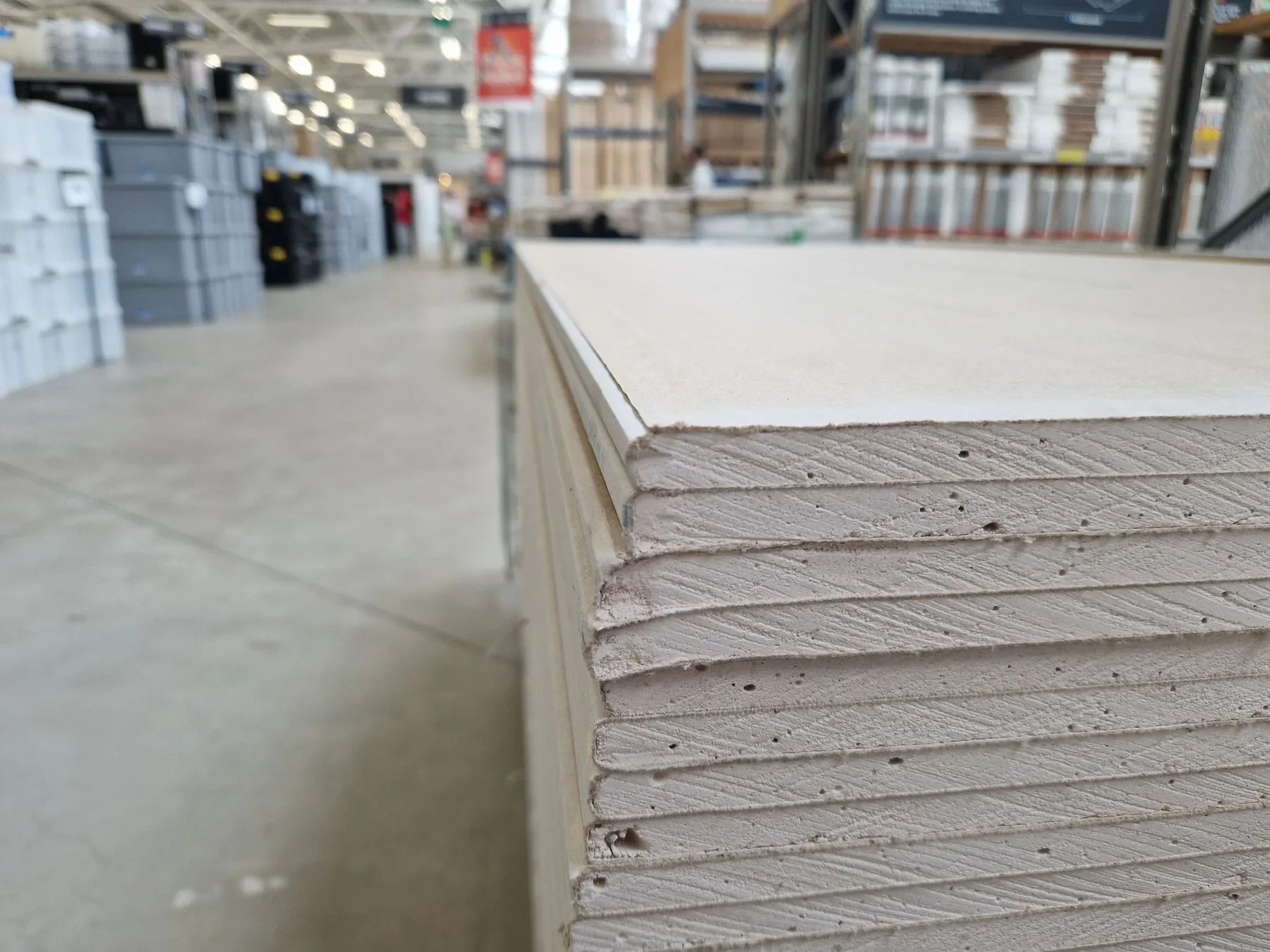
When a contractor reports damaged or missing drywall, the sales rep should connect the complaint to the correct order, get the facts to the team authorized to resolve it, and own the next customer update. Use ERP records to establish what was ordered and recorded as shipped. Keep the contractor's explanation and agreed follow-up with the account so inside and outside sales work from the same information.
The immediate sales task is protecting a relationship while the delivery problem is resolved. A rep cannot promise a replacement truck, approve a credit or decide whether a board is fit to install simply because the contractor needs an answer now. The rep can make sure the customer knows who is checking, what remains unconfirmed and when they will hear back.
Open the contractor account and identify the jobsite, order reference and delivery the customer is discussing. A contractor may have several active jobs and multiple releases against one quote. Reviewing the account's latest invoice without checking the site can send the team after the wrong shipment.
Compare the customer's report with the available order and delivery records. Ask which product and quantity are affected, what was expected, and what the receiving person observed. Distinguish a reported short shipment from material scheduled for a later release. If the quantities do not agree, record the difference rather than deciding which version must be right.
SalesJack's drywall dealer workflow brings connected ERP quotes and orders into customer and jobsite context. Use the records available through your connection as the starting point. If a delivery receipt, claim or credit is not available there, check it with the responsible team in its source system. Do not infer a shipment's physical condition from an order status.
Ask the contractor to describe what happened in their own terms. Note when the issue was noticed, who received the material and whether the delivery paperwork records the discrepancy. Keep a reported observation separate from an agreed finding. "The foreman reports broken corners" is more accurate than "The driver damaged the board" when nobody has established the cause.
The Gypsum Association's GA-801-2023 guide calls for recording the exact nature and extent of shortage or damage on delivery documentation. It also requires approval before material is returned. Those distinctions matter to the sales handoff. A broad note saying "bad delivery" leaves the next person without enough information to investigate.
Use your dealership's reporting process to gather the evidence it requires. A useful handoff identifies:
Do not ask a contractor to move a stack or enter an unsafe area to obtain a photograph. Qualified personnel should handle material inspection and movement. Sales notes preserve the facts and the open questions; they do not replace the dealer's formal reporting requirements.
USG's PM11 handling guide, revised in October 2010, provides another manufacturer example of inspecting deliveries and recording precise damage or shortage details. It is a historical source, not the current claim terms for every product. Check the applicable supplier and carrier process with your operations team rather than quoting a deadline from an old document.
Ask what the problem prevents the contractor from doing. Is a crew waiting for the affected board, or is the customer asking about an invoice discrepancy after the work has moved on? Record the requested timing without presenting it as a delivery commitment.
Two decisions may now be moving separately. Operations needs to establish what happened and how the formal claim will proceed. The dealer also needs to decide what it can offer the customer now. An approved replacement arrangement does not necessarily mean every credit or supplier claim has been settled.
Give each question to the person authorized to answer it. Dispatch confirms delivery capacity. The appropriate manager confirms any commercial exception. Technical questions about moisture exposure, damage or suitability belong with qualified product and technical staff. The rep should not propose a different board as an equivalent substitute without the required review and customer approval.
Keep this separate from a surplus-return discussion. A contractor returning unused stock after overordering presents a different question, covered in the guide to recurring jobsite material returns. Do not apply a restocking conversation to a reported fulfillment problem before the facts are established.
The customer should not have to discover which department is investigating. Name one person to communicate the response, with a backup if the rep is unavailable. Confirm that the internal owner received the request, especially when the job is urgent. Sending a message does not prove anyone has acted on it.
A useful update says what is confirmed and what is still being checked. For example, the rep might say, "I've matched your report to the order and sent the affected quantities to our operations lead. We are checking the replacement options. I'll call you at the time we agreed, even if the delivery timing is still unconfirmed." This is suggested wording, not a customer quotation.
SalesJack's CRM supports conversation logging, assignments and reminders alongside connected customer and jobsite information. Use those tools to preserve the customer commitment and the next action. The workflow described here does not assume automatic damage detection, a claims module or synchronized credit approval.
When an answer arrives, record its source and communicate the exact arrangement. If a replacement is authorized but delivery remains unconfirmed, say so. If nothing has changed by the promised update time, tell the customer what is outstanding and agree the next contact instead of letting the reminder expire.
A replacement order entered into the ERP is not proof that the contractor received the replacement. A pickup is not proof that a credit was approved. Before closing your follow-up, ask the customer whether the agreed action happened and check any remaining transaction questions with the authorized team.
Consider an illustrative case in which a contractor reports damaged panels and asks for replacement material. Dispatch later confirms a delivery, while the credit review remains open. The rep should record the delivery confirmation, check the contractor received the expected material, and keep a separate follow-up for the unresolved credit. Marking everything complete when the truck is booked would conceal unfinished customer work.
Once the immediate issue is resolved, return to the job's next genuine purchasing decision. Ask whether the disruption changed the timing or scope of later material releases. Update the existing opportunity rather than creating a second pursuit for the same package. The guide to selling drywall and insulation with ERP and CRM covers that bid-to-order and phased-purchasing workflow.
For a sales manager, review whether the team kept the order facts, customer promises and final outcome aligned. Look for unanswered updates or a credit described as complete without confirmation. Fix the specific handoff with operations. Accurate records and a kept callback commitment give the rep a better basis for the next account conversation than an unsupported promise made to end a difficult call.
Photo by Pablo Fernandez via Pexels. Illustrative stock photograph, not a SalesJack customer delivery.
Compare quote scope, identify the real price objection, and explain confirmed service differences before discussing a lumber quote discount.

Prepare current plans, project scope, unresolved selections and customer questions before handing a lumberyard material takeoff to the estimator.

Review recurring surplus stock-material returns with the builder, clarify ordering responsibility, and explain your lumberyard's actual return policy.