
How to handle "your lumber quote is too expensive" without immediately discounting
Compare quote scope, identify the real price objection, and explain confirmed service differences before discussing a lumber quote discount.

Connect ERP quotes with CRM follow-up to track contractor awards, qualify category buyers and pursue drywall and insulation orders as project timing changes.
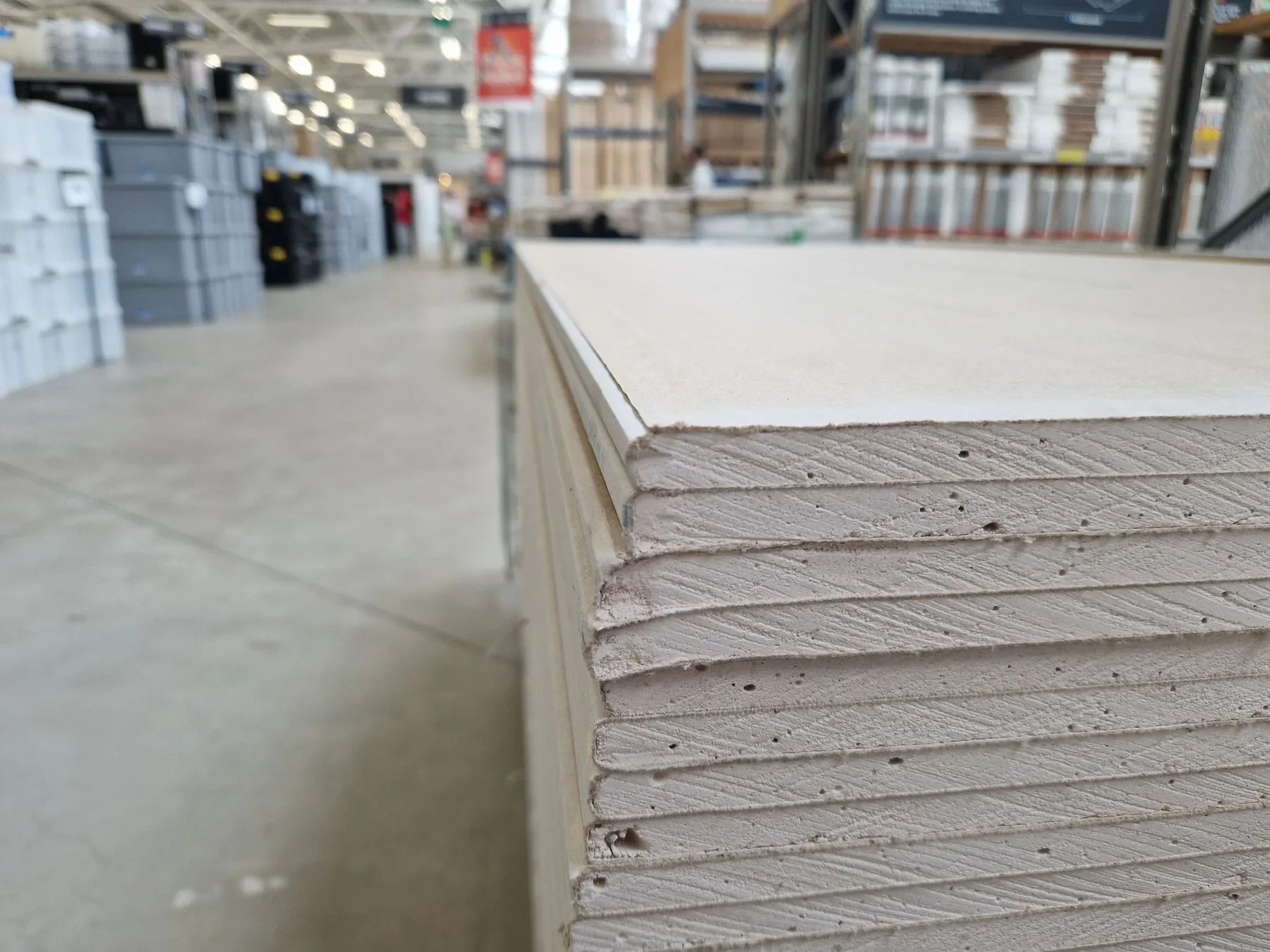
A material bid can remain open while the contractor waits for a job award. Calling repeatedly for a board order does little while that decision is pending. After the award, the conversation changes to who is buying and when they need materials.
ERP data shows the quotes and orders available in your system. CRM gives your outside rep, inside rep and estimator a shared record of those changing decisions. SalesJack's drywall and insulation dealer CRM connects that sales context so the team can follow a material bid through to an order, then pursue the next confirmed requirement.
When you quote materials, establish what the contractor is bidding and when they expect a decision. A contractor awaiting an award is not at the same stage as one choosing between suppliers for a job they have already won.
Record that distinction with the opportunity. Agree when the outside rep should check the award result rather than leaving inside sales to chase an order the contractor cannot place yet.
If several contractors request pricing for the same jobsite, keep each bidder's opportunity distinct within the project context. One address does not mean one buyer, and multiple quotes do not mean multiple jobs to supply. After the award, confirm which contractor has the work before deciding which material opportunity remains active.
Board purchase history gives a rep a reason to discuss insulation or metal framing. It does not establish that the same contractor buys every category for that project.
Ask who controls each material purchase. A drywall contractor may buy the board and finishing supplies while a different contractor buys insulation. The general contractor may have already awarded a package separately. Save what the customer confirms so the next person working the account does not repeat an irrelevant offer.
SalesJack maps product classes into categories and creates cross-sell views. Review that history against the actual scope before asking for another quote opportunity. If your contact does not buy the category, seek an introduction to the buyer where appropriate. Treat category gaps as questions to qualify, not missing orders that the rep should automatically expect to win.
Once there is an opportunity to quote, make the internal request specific. The outside sales rep should identify the contractor and jobsite, explain what the customer has requested, and confirm the deadline. Give the estimator the current information needed to prepare the bid.
SalesJack's Project Management supports estimate and quote requests from the jobsite record, assignment to responsible people, deadlines and status tracking. Use that shared context so the inside sales rep can answer a customer asking where the bid stands.
Choose one owner for the next customer contact. If the estimator needs clarification, assign someone to obtain it. When a revised bid goes out, record which version the contractor is considering. The team should be following one purchasing decision, not treating every revision as another independent opportunity.
After the contractor confirms an award, ask when they expect to need the materials and how they plan to order them. An award does not mean the full package is ready for immediate delivery.
Save the contractor's confirmed timing with the opportunity and agree the next contact. If the job is phased, ask which part they are ready to order first. Inside sales can prepare the relevant order conversation while the outside rep stays responsible for changes discussed with the customer.
Keep the customer's requested date and next action visible in the CRM while your operations team confirms availability and delivery. Record that confirmation before telling the contractor when materials will arrive. If timing changes, give the rep a specific customer update to make rather than leave the original promise on the account.
A permit can give your rep a new project to investigate. It cannot tell them that a job is ready for drywall or that an insulation order is about to be placed.
SalesJack brings permit leads and connected ERP records into the customer view, with filtering by project type and region and matching to existing accounts. Use that context to identify a relevant relationship, then confirm who has the work and whether material buying is still open.
Ask the contractor about the current phase and expected purchasing date. If they are already on your bid list, update that opportunity rather than starting a duplicate pursuit. When the contractor reports a delay, move the agreed follow-up accordingly. The useful signal is the customer-confirmed next decision, not an installation date inferred from the permit.
When an order arrives, compare it with the bid and the latest conversation. Establish whether it completes the package or leaves later phases to supply. Check that it belongs to this job.
Use connected order context where available and verify unresolved details in the ERP. Then update the sales follow-up to reflect what remains. Do not chase a completed order, but do not assume an initial board delivery closes every material opportunity on the job either.
Review outstanding requirements with the team using SalesJack's CRM. Give awarded work awaiting a purchasing decision a clear owner. Record why a bid did not become an order so the team can distinguish a lost sale from a project delay.
Book a demo to review your ERP quotes and how SalesJack can help your outside reps, inside reps and estimators follow material bids through the next order.
Compare quote scope, identify the real price objection, and explain confirmed service differences before discussing a lumber quote discount.

Prepare current plans, project scope, unresolved selections and customer questions before handing a lumberyard material takeoff to the estimator.

Review recurring surplus stock-material returns with the builder, clarify ordering responsibility, and explain your lumberyard's actual return policy.