
How building materials dealers can sell more to professional remodelers
As new-home lumber demand falls, decide how much sales time to give pro remodelers, which ones to call first and how to win their job-by-job orders.

When a dealer buys less from you, find out whether it is inventory, a new buying route, slower local demand or a competing product before you respond.
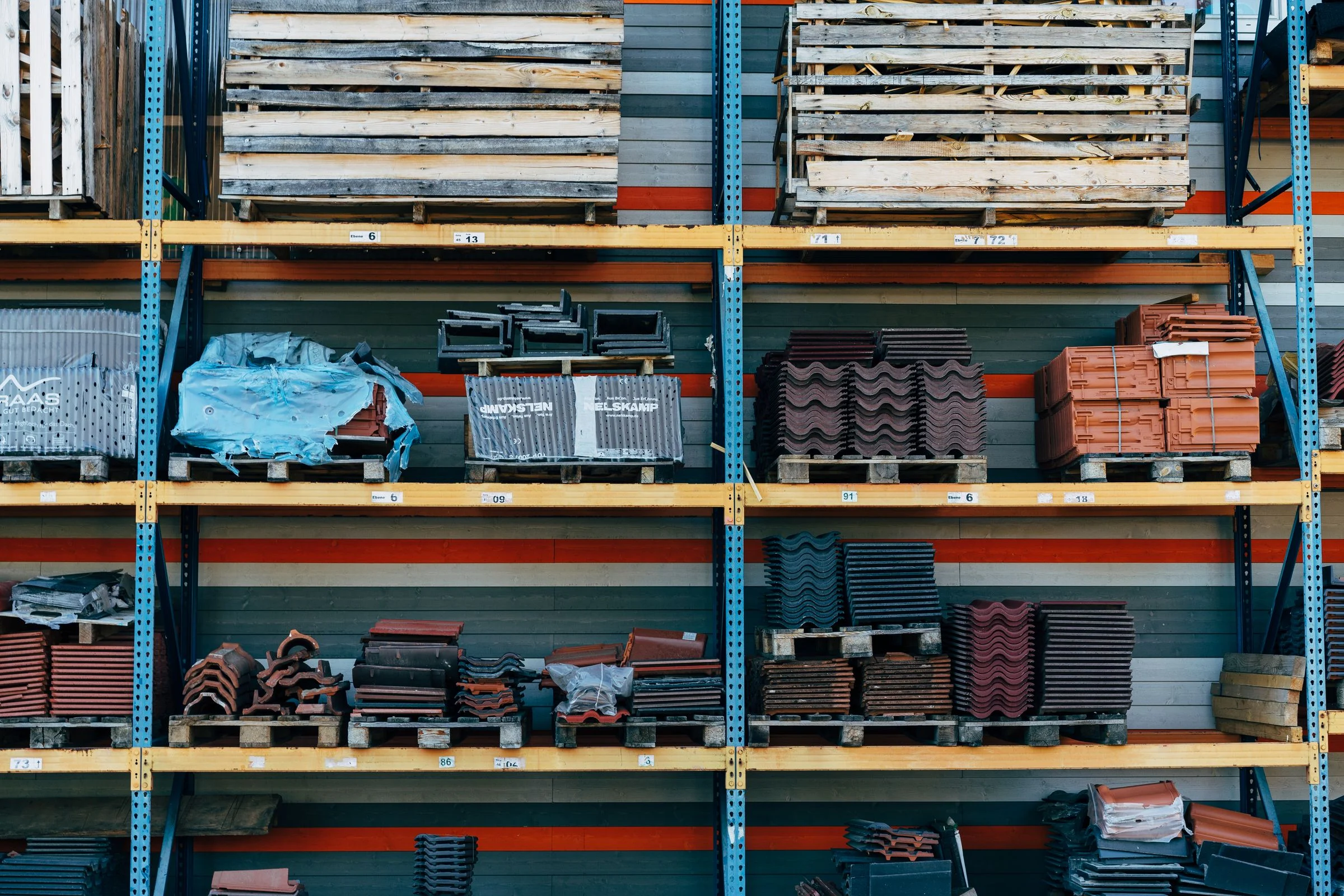
When a dealer buys less from you, treat the drop in your own sales records as a question to answer before you respond. A falling order total usually has one of four causes: the dealer is carrying less of your product, the dealer now buys your product through another route, the dealer's own customers are buying less, or those customers are buying a competing product. Each cause calls for a different sales response. Your records narrow the possibilities, and one specific conversation with the buyer usually settles which one you face.
This guide is for territory reps, inside reps and channel sales managers at building products manufacturers that sell to lumber yards, multi-category dealers and specialty dealers, directly or through two-step distributors. It covers how to read your own sales to a dealer and decide what to do next. What a dealer stocks, and the terms of any distributor agreement, stay with the people who own those decisions.
A manufacturer's sales to a dealer measure sell-in: what the dealer bought from you. They do not show sell-through, meaning what the dealer sold to contractors and homeowners. The two can move in different directions for months, and public manufacturers have described this openly.
Distribution changes can move a manufacturer's numbers even when end demand holds. Principia, a building products research firm, wrote in October 2026 that losing a key distribution relationship "can create headwinds even in markets where end-use demand remains stable" (Principia).
The same patterns show up at the level of one dealer. A drop in your sales to that account tells you something changed. It does not tell you what.
Before you call, look at the account the way the buyer would explain it. Compare the latest 12 months with the 12 months before, and the latest quarter with the same quarter last year, so an early buy or a seasonal order does not look like a loss. Then check:
Local construction activity adds context. If permits for the project types your product goes into have dropped in the dealer's market, slower local demand becomes more likely. Permit activity is context, not proof that a job would have used your product.
Your records will rarely prove a cause. They tell you which question to ask first. Our guide to planning dealer visits from your own sales history covers the groundwork of reading sell-in by branch and product family.
| Likely cause | What your records may show | First question for the buyer | Sales response |
|---|---|---|---|
| The dealer is carrying less inventory | Smaller or less frequent stock orders, quotes still coming in | "Are you running leaner on our product, and what level are you aiming for?" | Agree replenishment timing; do not push extra stock to hit a number |
| The dealer buys through another route | Direct orders fall; the dealer mentions a distributor | "Where are you buying our product now?" | Confirm with the distributor's rep, record the account correctly, shift effort to the dealer's sales |
| The dealer's customers are buying less | Most families down, fewer quotes, local permits down | "Which customers and job types slowed, and which are still busy?" | Help the dealer win the work that remains |
| A competing product is winning | One family down while others hold, quotes not turning into orders | "Which jobs or customers went to another product, and why?" | Build a plan for those customers and jobs |
If the dealer still sells your product and simply holds less of it, you are looking at a timing question, not a lost account. The dealer's customers are still buying, and the dealer will reorder when its stock runs down. Pressing for a larger order to make your month can work against you. The dealer ends up with stock it was trying to avoid, and the next order shrinks again.
Ask what stock level the buyer wants and when they expect to reorder. Agree what the dealer needs on hand so it does not run out of the items its contractors buy most, and set the date of your next conversation. If your company runs a program built for leaner stocking, explain the terms that actually apply. Note when the dealer makes its next seasonal buying decision; our guide to manufacturer dealer buying windows covers how to find that date.
Check the account again after the expected reorder date. If orders do not come back while the dealer's quotes and local activity hold, the cause is probably something else.
Distribution changed for several large exterior brands in 2026. HBS Dealer reported Trex's move to Specialty Building Products as its sole national distributor of decking and railing, and Boise Cascade's move to become James Hardie's nationwide distributor. It quoted industry consultant Eric Reppermund expecting some dealers to push back with "I'm not going to buy product X, because I'm not going to buy from distributor Y" (HBS Dealer, August 4, 2026).
A dealer that bought direct, or bought through a distributor that no longer carries your line, may now buy through a different distributor. It may also have stopped buying your product.
Ask the buyer where they buy your product now, and whether anything about that route gets in the way. Then talk with the distributor's rep who covers the dealer so you both agree on what happened. If the dealer still sells your product through the new route, record that in the account so your territory review does not count it as a lost dealer, and move your effort to helping the dealer sell. If the dealer stopped buying because it did not want the new distributor, you are facing a share problem, covered below.
If most product families fell, quotes slowed and local permits are down, the dealer's market has probably slowed. The James Hardie example above is a reminder that one brand can see very different results by region.
Your sales response is to help the dealer win more of the work that is still happening. Ask which customers and job types are still busy, and let the buyer and local data tell you which ones, rather than assuming. Then offer help only your company can give on specific open quotes, such as a product answer or a configuration review, through the dealer's salesperson. Our guide to following up on open dealer quotes explains how to do that without going around the dealer.
Adjust your own forecast too. A dealer in a slower market can buy less in total while keeping, or even growing, its share with you.
A drop in one product family while the dealer's other business with you holds is the pattern to act on first. It often means contractors, a builder or the dealer's own salespeople have moved some jobs to another brand.
Find out which customers and jobs moved, and why. Price, availability, a distributor's stocking, a new display or a salesperson's preference each call for a different answer. Ask the buyer and the dealer's most active salespeople, and ask about specific jobs rather than the brand in general.
Then decide whether to compete for that business and how. You might support a requote on the next job for a customer that switched, ask the dealer's salesperson to include your product on a pending quote, or offer product training for the dealer's sales staff. Offer only what your company can deliver, and leave pricing decisions to the people who own them. Set a date to check whether the next quotes for those customers include your product.
Keep the call specific and short.
Do not treat the drop as disloyalty, and do not share what other dealers buy from you. The buyer is more likely to explain the real reason when the conversation is about solving it.
A territory rep rarely has time to call every account that dipped. Rank them by:
An inventory reduction at a large dealer can wait for its reorder date. A drop concentrated in one family, with live quotes, should be this week's call.
Each month or quarter, the sales manager and reps should review every falling account by its confirmed cause. Patterns matter more than any single account. Several dealers buying less through the same route point to a distribution question for management. Several dealers losing the same family to the same competitor point to a product, price or support issue that one rep cannot fix alone.
After 60 to 90 days, check whether each account recovered the way you expected. If an account you marked as an inventory reduction has not reordered while its market holds, revisit the diagnosis.
SalesJack is a sales platform for building materials manufacturers that sell through dealers and distributors. It keeps dealer contacts, account opportunities and project quotes in one CRM, with assigned tasks and email or text follow-up, and its AI chat answers plain-English questions about your own connected data. Permit data can be filtered by project type and region for market context. SalesJack works with the data your team already has and does not pull data from dealers' or distributors' systems, so the dealer conversation still has to supply what your records cannot.
See SalesJack for building materials manufacturers, or book a demo to review which of your sales records would support this kind of account review.
As new-home lumber demand falls, decide how much sales time to give pro remodelers, which ones to call first and how to win their job-by-job orders.

Time each sales call to when a builder decides that package. Use permit dates, past orders and inspection records to plan framing, window, drywall and trim calls.
How building materials reps decide on a contractor's price level: check what the account buys, name the business you want in return, and review the results.